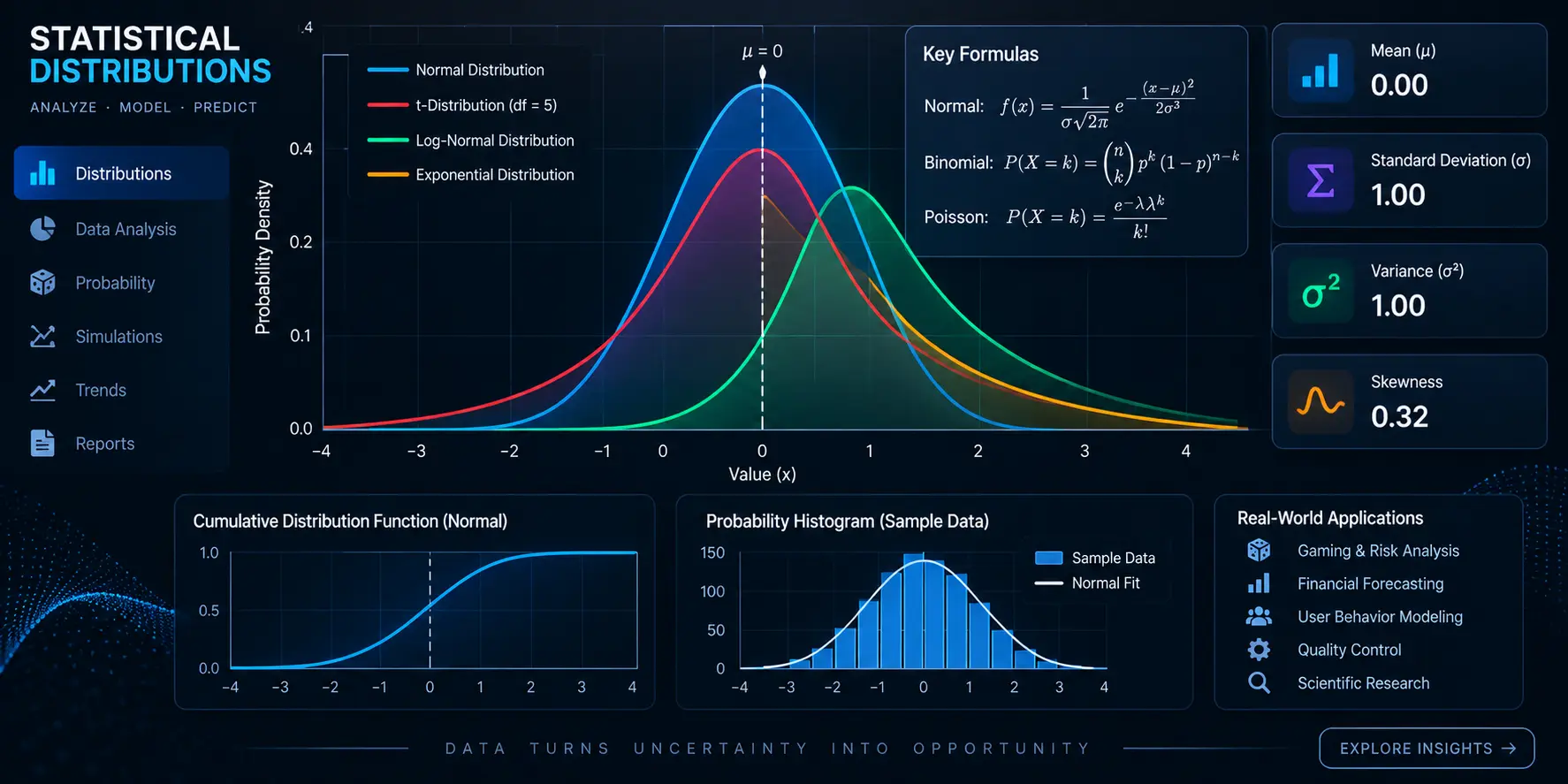
Designing digital wagering software requires a precise balance of mathematical probability, interface design, and risk distribution. Behind every electronic game interface lies a complex statistical model that dictates how payouts are distributed over time. Analyzing volatility in slot design provides key insights into how developers structure mathematical variance to shape user engagement and balance risk profiles.
Understanding how variance functions, how payout distributions are calculated, and how math models differ allows developers and analysts to evaluate the structural mechanics of digital gaming platforms. This guide examines the core concepts of game volatility, statistical modeling, and variance distribution.
What Is Slot Volatility?
In digital software design, volatility (often referred to as variance or risk level) is commonly used to describe the variability and risk characteristics of a game’s payout distribution over an extended sequence of rounds. It indicates the general relationship between the frequency of winning combinations and the magnitude of those payouts.
However, marketing volatility labels and formal statistical variance are not always identical concepts. Classifications such as low, medium, or high volatility serve as general descriptions of a mathematical distribution rather than guarantees about win frequency,
How Mathematical Models Shape Variance
The underlying math model of a game dictates its payout distribution. Developers do not simply configure a few isolated variables to guarantee a specific user experience; instead, mathematical models can involve complex reel strips, symbol weighting, paytables, feature probabilities, state transitions, and other game-specific mechanics.
Furthermore, Return-to-Player (RTP) and volatility are different properties. While the allocation of theoretical return among base-game outcomes, bonuses, jackpots, and secondary features influences the payout distribution,
Low, Medium, and High Classifications
Traditional categories segment volatility profiles into broad groups:
- Low Volatility Profiles: Associated with distributions where smaller payouts occur more frequently, though individual results still vary.
- High Volatility Profiles: Associated with distributions featuring larger potential payouts that occur less frequently, introducing wider mathematical fluctuations.
- Medium Volatility Profiles: Represents a middle-ground statistical structure balancing frequency and payout magnitude.
When reviewing how diverse platforms present structural information, observing reference layouts like a panduan RTP slot gacor example illustrates how different websites organize documentation and technical data, though mathematical frameworks, configurations, and features vary significantly across individual games.
Maximum Exposure and Payout Distributions
Another important element of statistical modeling is maximum exposure—the highest theoretical payout limit designed into a game’s rules. Payout distributions are carefully calibrated so that extremely large payouts have very low probability of occurrence, maintaining the integrity of the mathematical model over extended operation.
It is also critical to recognize that previous independent random outcomes do not influence future spins. User behavior, session duration, or recent payout patterns cannot alter independent random outcomes, and neither volatility metrics nor RTP figures can be used to predict future results or improve the odds of winning.
Simulation, Testing, and Compliance Verification
Before a game is deployed, development teams often use simulation software to analyze empirical payout behavior against theoretical models. However, the scope of testing varies widely.
Not all digital gaming software undergoes the same independent laboratory audits or simulations of fixed sample sizes. Testing requirements, certification processes, simulation methodologies, and regulatory oversight depend heavily on jurisdiction, specific regulatory bodies, accredited testing laboratories, and product types.
Common Questions About Slot Volatility
Are marketing volatility labels the same as formal statistical variance?
Not always. Marketing labels are often simplified categories used to communicate general risk profiles, whereas formal statistical variance measures the exact dispersion of a probability distribution.
Can a game’s volatility be modified at will?
A particular configured game or math model generally defines its payout characteristics. While some advanced products may support selectable or separately certified configurations, volatility cannot be arbitrarily altered by player actions or session length.
Do RTP and volatility dictate session outcomes?
No. RTP is a theoretical long-run statistical average, and volatility describes structural distribution characteristics. Neither metric guarantees what will happen during an individual player’s session.
Conclusion
Analyzing volatility in slot design reveals the intricate mathematical engineering required to build balanced digital games. By understanding how probability distributions, hit frequencies, maximum exposure limits, and testing practices interact, developers and analysts can better appreciate the computational foundation governing modern wagering software.